

The bill nobody adds up
For Texas homeowners whose grid keeps blinking, and whose electronics keep dying.
Nothing dramatic ever happened.
There was no lightning strike, no smoking outlet, no moment you'd tell anybody about. Just the lights dipping for half a second on a hot afternoon, often enough that you stopped noticing.
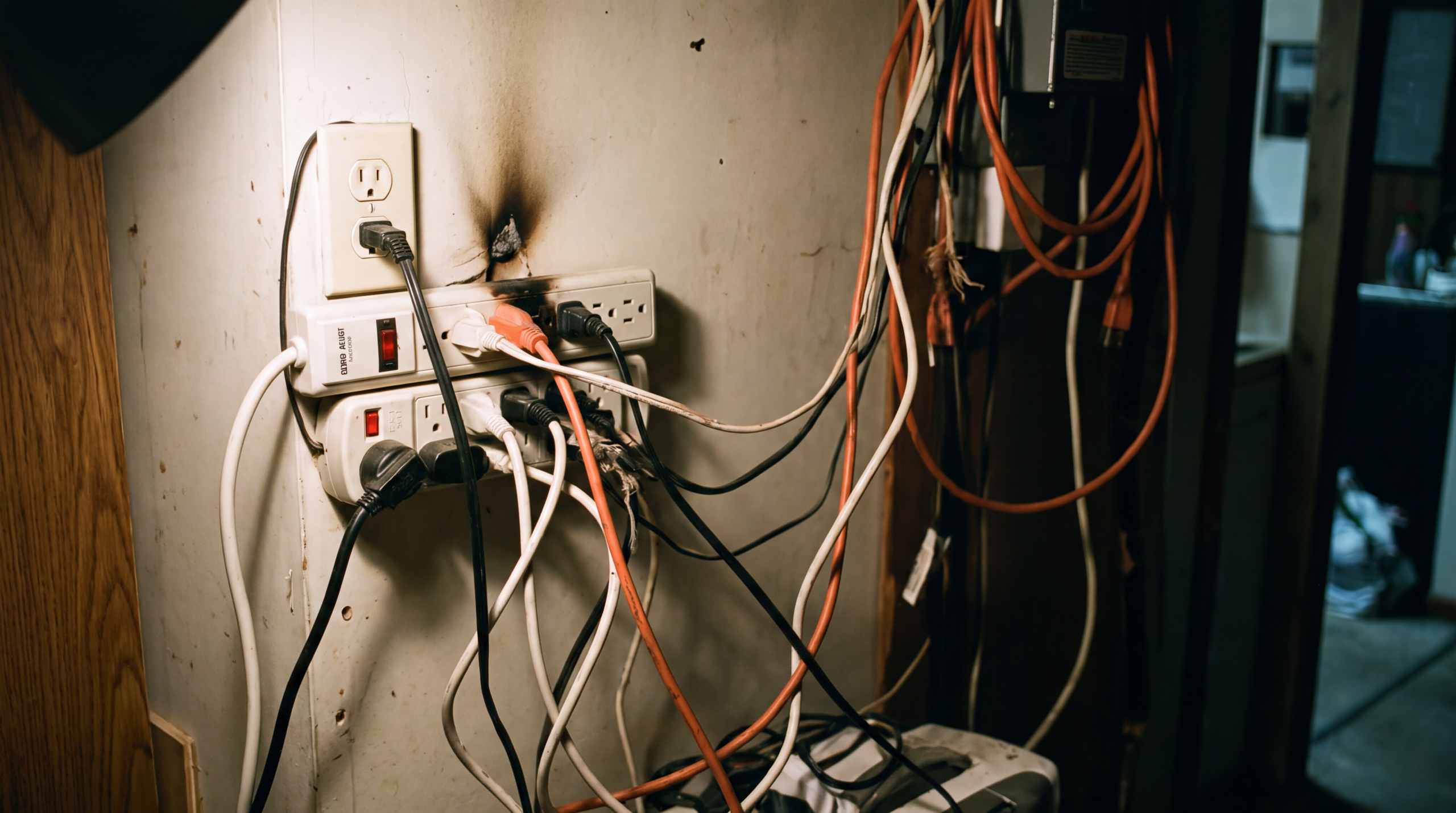
And then the garage fridge died about four years early. The router started needing a power cycle twice a week until it stopped coming back at all. The microwave clock has been flashing since a Tuesday in June and you've given up. Somewhere in there the good TV developed a habit of not waking up on the first try.
Each one on its own is just a thing that broke. Nobody files an insurance claim over a router, and the deductible makes it pointless anyway. So it never shows up as a cost. It shows up as three or four trips to the store across two years that you never added together.
The dramatic version isn't the expensive one
People think about surges as the lightning strike. Everything at once, a story you tell.
That does happen, and it's rare.
The version that actually gets you is the boring one. Voltage dips when the grid is strained, brief interruptions while something upstream switches over, the flicker that makes every clock in the house blink at the same time. Electronics don't like any of it, and the damage is cumulative rather than instant. Nothing dies on the day. Things just die younger.
On a Texas summer grid, that happens a lot. Homeowners tell us about it constantly, usually as an aside rather than a complaint, right before they mention food spoiling and having to reset half the house's devices again.
What a battery does about the small stuff
When your power drops, the batteries take over. That part is the whole point of the system.
What matters here is that it applies to the brief events too, not only the four-day disaster. The half-second dip, the six-minute interruption, the blip while a crew works on a line two streets over. Your house rides through them.
The clocks don't blink. The router doesn't reboot. Whatever was cooking keeps cooking. You find out later that the neighbors lost power, because they mention it.
That's a different quality of life from being on the raw grid, and it's the part existing customers seem to notice first, before the bill.
What I'm not going to claim
I'm not going to tell you this replaces surge protection, or that your electronics are covered.
Whether the installed system includes surge suppression, what class of event it handles, and what still needs a dedicated device at your panel are real technical questions with real answers, and the answers come from the engineer who designs your system. Not from a web page and not from whoever calls you.
If somebody promises you on the phone that nothing in your house will ever be damaged again, be suspicious of them, because that's a promise nobody can make about electricity.
What's honest is this: a house running through the grid's rough patches on a battery is having a smoother time than a house that isn't. Ask the engineer for the specifics about your setup, and ask them directly about surge protection, because it's a fair question and they can answer it properly.
What else is in the box
The reason most people take the call is the bill.
Your electricity becomes a flat 12 cents a kilowatt hour, all in. Delivery, fees, taxes, all of it inside the twelve cents with no second line item underneath.
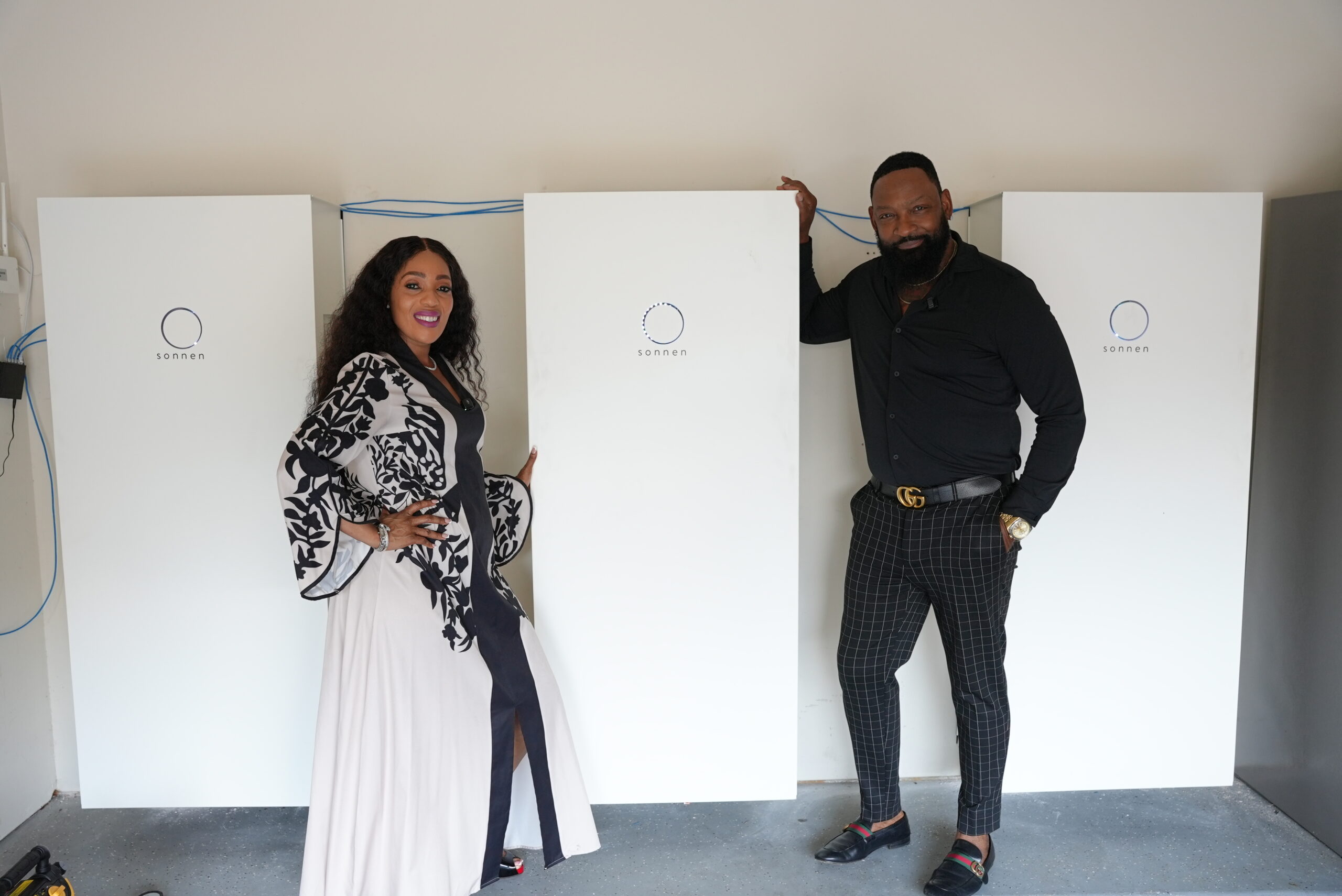
The equipment is free. No down payment, no install charge, no monthly equipment fee. We own the batteries and the panels, we insure them, we maintain them, and we replace them if they wear out. Typically 45 to 60 kilowatt hours of battery capacity, indoors, usually the garage.
If you're under contract with a retail provider and they charge you to leave, we cover it, whatever the number is.
And for the outage that isn't brief, on the battery alone you get up to 3 days depending on what you're running, with the solar feeding it during the day, so the system is designed to recharge itself rather than drain to nothing.
Why it's free
We make our money from the grid, not from you.
Power is cheap at three in the morning and expensive at five in the afternoon when every air conditioner in Texas is running at once. We charge the batteries when it's cheap and sell that stored power back at peak. Across a lot of houses that adds up to a real business, and that revenue is what pays for your equipment.
That's what a virtual power plant is. A fleet of home batteries the grid can lean on instead of firing up an expensive backup plant on a hot afternoon.
There's a certain symmetry to it. The strain that's been quietly killing your appliances is the same strain we get paid to relieve.
The model has been around about ten years. Our team has been doing it in Texas for two.
The parts you'd rather hear now
You switch electricity providers.
That's how the rate works.
The batteries need indoor space.
Usually the garage.
Not every house qualifies.
Heavy shade, an old roof, the wrong roofline. The site survey decides, and it's free.
Who this doesn't work for
Renters, and mobile or manufactured homes.
If you're on a co-op or a regulated utility you can't switch providers, and there's no version of this we can offer you. Thirty seconds to check.
HOA is usually fine. We deal with them constantly and handle that paperwork ourselves.
What happens next
A video call with one of our engineers. Google Meet, from the kitchen table. Nobody comes to the house for it.
Bring your most recent electric bill, because without it nobody can build you a design or tell you your real rate.
And bring the question. If your lights dip regularly, or you've replaced more electronics than feels normal, say so on the call and ask what the system does and doesn't do about it. You'll get a straight answer, including the parts where the answer is "that needs a separate device."
If it looks like a fit, there's a free site survey. If the house doesn't pass, that costs you nothing.
Add up the last two years
The fridge, the router, the thing you keep meaning to replace. Nobody ever presents you with that bill in one piece.
Book the callBring your most recent electric bill. No commitment on the call.