

What the machine costs to run
For Texas households with medical equipment at home, and a power bill that reflects it.
Somebody totted up what this was going to cost you. The equipment, the supplies, the co-pays, the visits, the parking at the medical center. Somewhere in a folder there's a number.
Nobody put the electricity on that list.
But the concentrator runs all night. The CPAP runs all night. If there's dialysis at home, that's several hours a session plus the water heating, several times a week, every week. None of it is optional and none of it turns off when rates go up in August.
You're running a small clinic on a residential meter, and the bill knows it even if nobody ever said so out loud.
Start with the boring part, because it's the part we can actually do something about
Go get your last electric bill. Find the total you paid and the kilowatt hours you used, and divide the first by the second.
That's your real rate, and it's almost never the number on your plan, because underneath the advertised rate there's a delivery charge, a base charge, and taxes.
Ours is a flat 12 cents a kilowatt hour, all in. Delivery, fees, taxes, all of it inside the twelve cents with nothing underneath it.
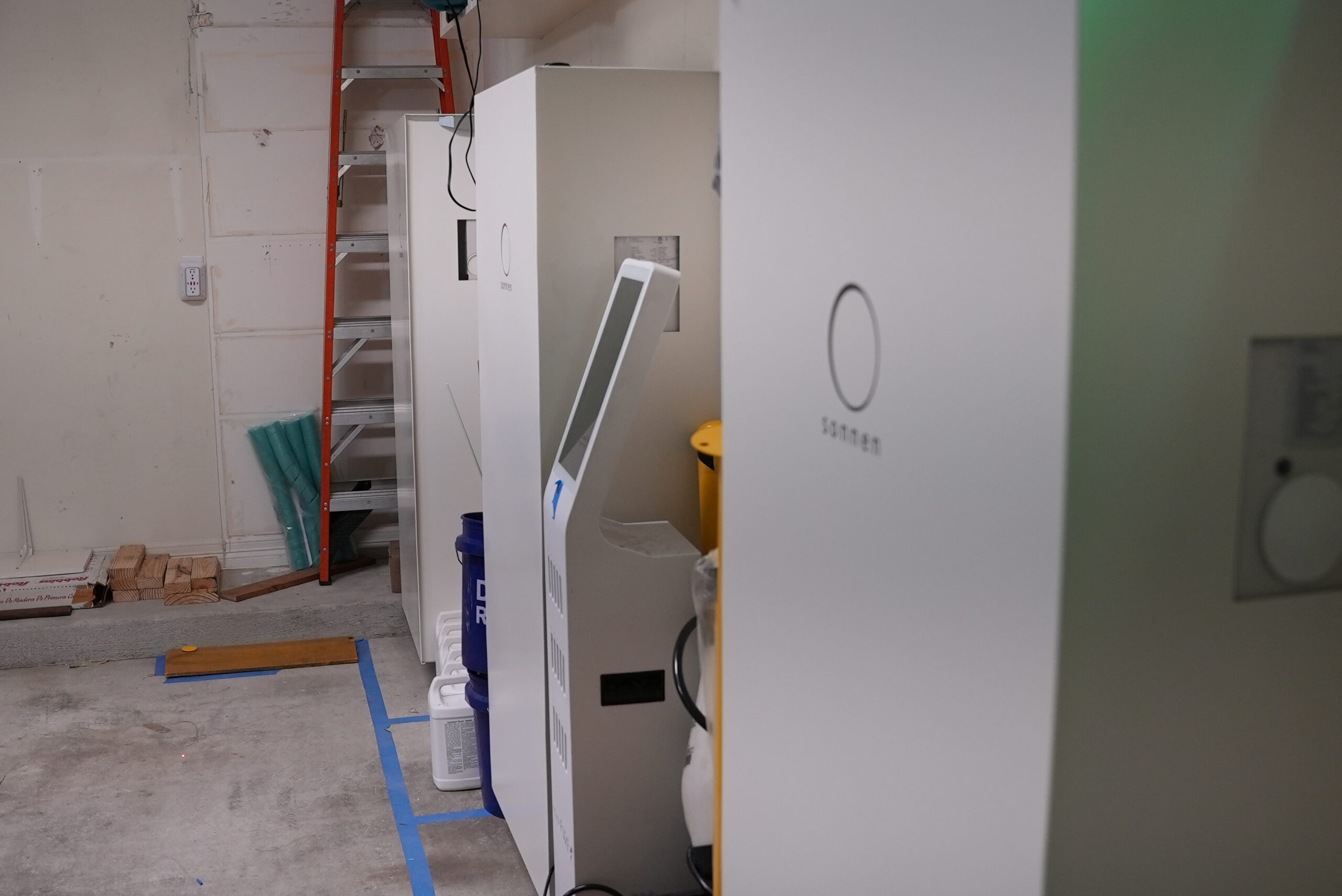
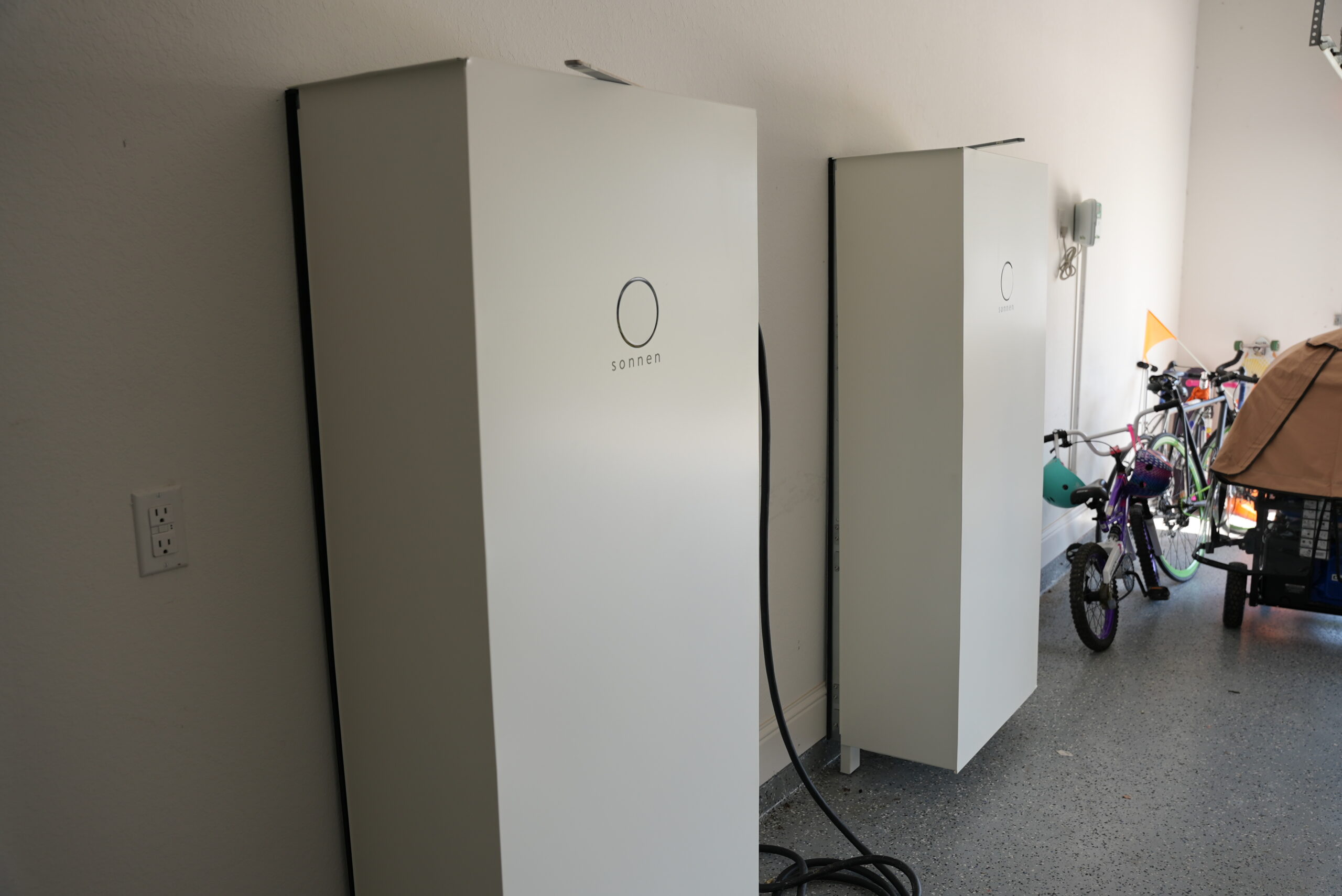
The equipment costs you nothing. No down payment, no install charge, no monthly equipment fee. We own the batteries and the panels, we insure them, we maintain them, and we replace them if they wear out.
For a household already spending what you're spending, a permanently lower power bill on equipment that cost you nothing is the part of this worth taking seriously. It's also the part we can be specific about.
Now the part where I'm going to be careful with you
You have thought harder about losing power than any salesperson has. So I'm not going to do the thing where I describe your worst night back to you and then present a product.
Here's what's true.
The system carries the house when the grid drops. On the battery alone that's up to 3 days, depending on what's running. The solar feeds the batteries during the day, so it's designed to recharge rather than drain to nothing.
Here's what I won't tell you.
I won't tell you it will run your equipment, or for how long. That depends on the device, the draw, the size of the system, what else in the house is live, and the weather that week. Anyone who gives you a confident answer to that over the phone, without having seen your electrical panel or your equipment, is guessing at something you would hold them to on the worst possible night.
The engineer can answer it properly, for your house and your specific equipment, and you should make them do exactly that. Bring the model numbers.
This is not a medical power plan and shouldn't replace one
Whatever arrangement you already have, keep it.
If your utility has a critical care or chronic condition designation, ask them about it directly, because it's their program and they administer it, not us. If your equipment supplier provides a battery pack or a backup unit, keep that too, and keep it charged. If your care team has given you a plan for an extended outage, that plan still stands.
What a home battery does is add hours and remove the small interruptions. That's genuinely useful and it is not the same thing as a medical contingency plan. Anybody who sells it to you as one is selling you something they can't back up.
Say all of this on the engineer call. Tell them what's in the house and what it draws. It changes how the system gets designed, and it changes what they'll recommend.

The smaller thing that people mention more
The multi-day outage is the one everyone thinks about. The one people actually complain about is the blip.
Power dips for four seconds. Every clock in the house starts flashing, the router needs a cycle, and the machine that was running mid-cycle now needs attention at two in the morning. On a strained Texas summer grid that happens a lot.
A house running on batteries rides through those. They stop being events.
Why any of this is free
We make our money from the grid, not from you.
Power is cheap at three in the morning and expensive at five in the afternoon when every air conditioner in the state is going at once. We charge the batteries when it's cheap and sell that stored energy back at peak. Across a lot of houses that's a real business, and that revenue is what pays for your equipment.
That's what a virtual power plant is. A fleet of home batteries the grid can lean on instead of firing up an expensive backup plant. The model's been around about ten years. Our team has been doing it in Texas for two.
The parts you'd rather hear now
You switch electricity providers.
That's how the rate works. If your current one charges you to leave, we cover it, whatever the number is.
The batteries need indoor space.
Usually the garage.
Not every house qualifies.
Heavy shade, an old roof, the wrong roofline. The site survey decides and it's free either way.
Who this doesn't work for
Renters, and mobile or manufactured homes.
If you're on a co-op or a regulated utility you can't switch providers, and there's no version of this we can offer you. It takes about thirty seconds to check, and it's worth checking before you spend any more time on this.
HOA is usually fine. We handle that paperwork ourselves.
What happens next
A video call with one of our engineers. Google Meet, from the kitchen table. Nobody comes to the house for it.
Three things to have ready.
Your most recent electric bill, because without it nobody can tell you your real rate or build you a design.
The model numbers of the equipment in the house.
And whoever else is part of this decision. If there's a spouse, an adult child, or a caregiver who'd have questions, get them on the call. Relaying this secondhand goes badly, and the person who wasn't there usually has the sharpest question.
If it looks like a fit, there's a free site survey. If the house doesn't pass, that costs you nothing.
The machine is going to run tonight either way
The only question on the table is what you're paying per kilowatt hour while it does.
Book the callBring your most recent electric bill and your equipment's model numbers. No commitment on the call.