


The UCC-1 nobody wants at closing
For real estate agents advising or listing homes with rooftop solar and battery backup.
You know the call. Two weeks from closing, the title company flags a UCC-1 on the property, and now there's a solar lease, or a PPA, or a loan with a balance, and somebody has to work out whether the buyer assumes it, whether the buyer can even qualify to assume it, or whether the seller pays it off out of proceeds they were counting on.
Sometimes the buyer's lender has opinions. Sometimes the panels are worth less to the appraiser than the payoff. Sometimes the whole thing collapses and everyone blames the listing agent.
If you've had one of those, you probably steer clients away from solar now. That's a reasonable position and it's why this page exists.
This is a different animal
VPP Texas installs a battery system and a solar array on the home at no cost to the homeowner. They never buy the equipment and they never finance it. We own it, we insure it, we maintain it, and we replace it if it fails.
What the homeowner has is an agreement to buy their electricity from us at a flat 12 cents a kilowatt hour, all in, meaning delivery, fees and taxes are inside that number rather than stacked underneath it.
So there is no loan. There is no balance. There is nothing for a seller to pay off at closing, because they never owed anything in the first place.

The transfer
The agreement runs with the home. When the property sells, the buyer takes it over.
The buyer needs a 600 credit score. That's the requirement. Not a full mortgage-style underwrite, not a lender approval, not a payoff negotiation. A 600.
Nobody writes a check. The seller isn't paying anything off and the buyer isn't buying anything out. The buyer steps into the same rate the seller had and the equipment stays where it is.
That's the entire mechanic, and it's genuinely simpler than what you're used to dealing with on a solar property.
What I'd want you to ask us before you list one
Being straight with you, because you're the one standing in front of a seller.
Ask what happens if a buyer doesn't want it, or doesn't hit the 600. There's a process, and I'm not going to summarize it on a web page and have you repeat a version of it that turns out to be wrong at the worst moment. Get it from us directly and get it in writing. It is the first thing a good agent asks and you should ask it.
Ask for the agreement itself and read it. It's a long-term agreement that runs with the property. That's material and your seller should be able to hand you a copy. If a company won't give you the document before you list, that tells you something.
Ask what the disclosure looks like in Texas and how other agents have been handling it on the seller's disclosure notice. We deal with this constantly and can tell you what we've seen, though your broker's guidance governs, not ours.
I would rather you go into a listing appointment with real answers than with a brochure.
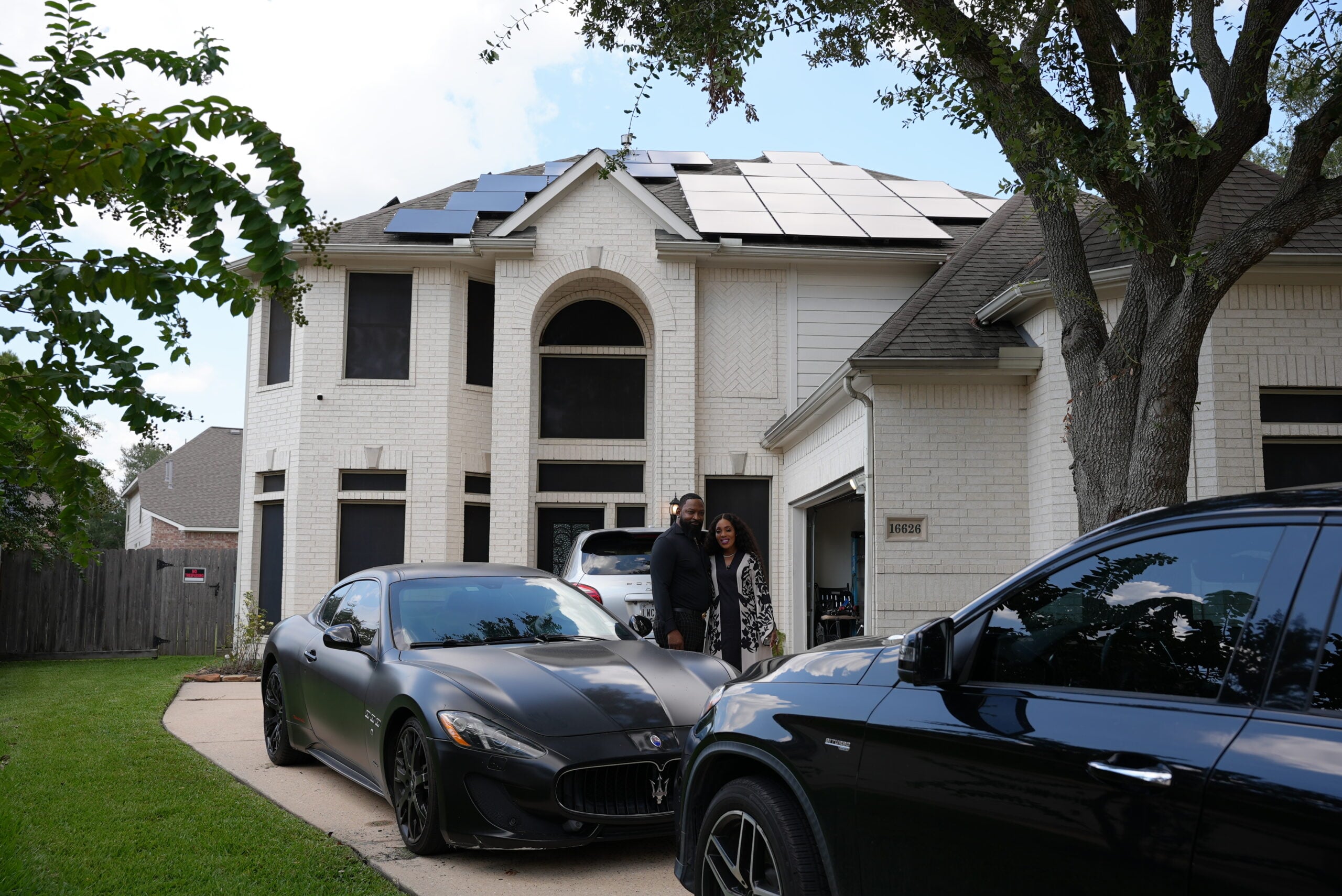
What the buyer actually inherits
This is the part that plays well in a listing, and all of it is checkable.
A flat 12 cents a kilowatt hour, all in. For a buyer running the numbers on carrying costs, a known electricity rate is unusual and useful.
Backup power already installed. Battery storage, typically 45 to 60 kilowatt hours of battery capacity, sitting in the garage, with solar feeding it. When the power drops, the house keeps running. On the batteries alone that's up to 3 days depending on load, and the panels recharge them during the day.
A buyer who was going to price a standby generator doesn't need to. You know what those run in this market better than I do, and you know it's a real line item for anyone who lived through Beryl. That spend is already made and it conveys.
No maintenance obligation. The equipment is ours. Service, insurance, replacement, all ours. That's not a homeowner responsibility transferring to the buyer.
The part that plays well at a listing appointment
Every one of these homes is a small piece of grid infrastructure.
The batteries charge overnight when power is cheap and discharge back to the grid at peak, when Texas is straining and the alternative is firing up expensive standby generation. That's what makes the economics work, and it's why the equipment can be free.
Enough homes doing that in one area is a genuinely useful thing for the neighborhood, and it's a rare case where the thing that's good for the seller is also good for the street. Buyers who care about that will care about it. Buyers who don't will care about the 12 cents.
Two things I'm not going to tell you
That it raises the appraised value.
People say it, and I'm not comfortable handing that to a licensed agent to repeat. The equipment isn't owned by the homeowner, and appraisers treat third-party-owned equipment differently from owned equipment. If somebody gives you a number for what this adds, ask them where the number came from.
What I'll say instead is that a home with a known electricity rate and backup power already installed is easier to sell than the same home without, and you're better placed to judge what that's worth in your market than I am.
A savings figure for a buyer.
That depends on their usage. Our engineer works it out from an actual bill.
Who this doesn't work for
Renters and manufactured homes, obviously.
The property has to be in deregulated territory. If it's on a co-op or a regulated utility, the homeowner can't switch providers and there's no program. That's worth knowing before you spend time on it.
Roof condition, shade, and roofline all matter, and not every house qualifies. The site survey is free and a no costs nothing.
HOA is usually workable. We handle that paperwork.
If you have a listing with one, or a seller considering one
Call us before the listing appointment, not after. We'll give you the agreement, the transfer process in writing, and a straight answer on the buyer-qualification question. If you've got a specific property, we can tell you what's actually installed on it.
Book the callAnd if you have a seller who's been quoted for solar and is nervous about what it does to resale, that's a conversation worth having, since this structure is the thing that solves their actual worry.